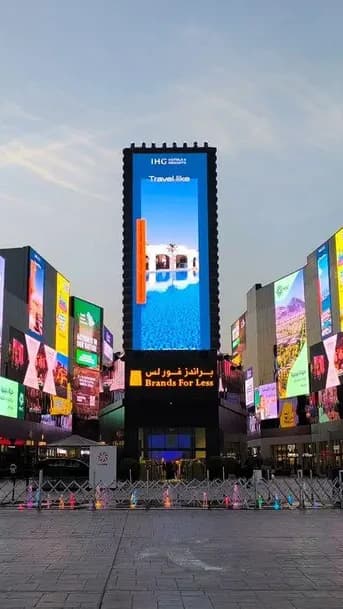
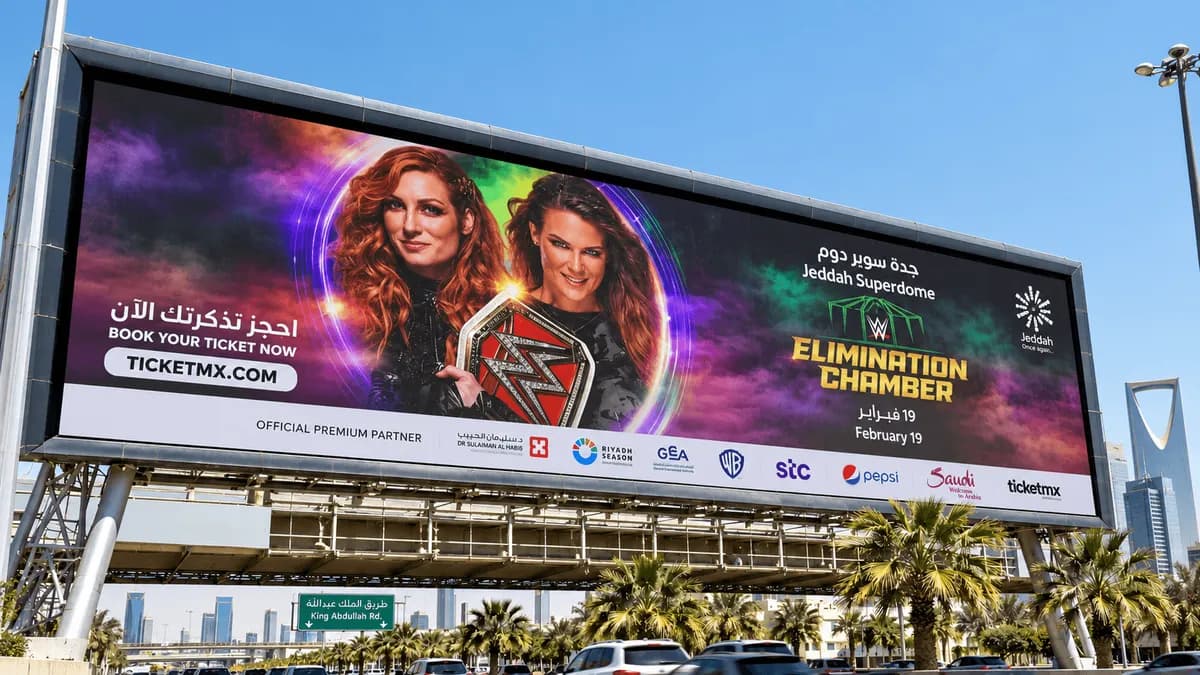
As entertainment in Saudi Arabia grows, more people are going to events and entertainment locations. This gives brands more opportunities to advertise and reach those people.
For advertisers, this creates an important challenge. Entertainment campaigns often have a fixed date and a short period to generate interest.
A strong outdoor advertising strategy can support this journey by placing entertainment brands across the roads, districts and destinations their audiences use every day.
Start With the Entertainment Audience
The first question should be simple: who is likely to attend?
A family attraction requires a different media plan from a music festival aimed at younger adults. A premium sporting event may need to reach residents, tourists and corporate audiences.
Entertainment brands should consider factors such as:
- Audience age
- Location
- Interests
- Travel patterns
- Event type
- Ticket price
- Event date and time
These details help identify which areas and media formats deserve the largest share of the campaign.
The goal is to build a plan around audience movement rather than selecting locations based on visibility alone.
Focus on Major Entertainment Cities
Riyadh and Jeddah are two important markets for entertainment campaigns in Saudi Arabia.
Riyadh hosts a growing calendar of concerts, sporting events, exhibitions and seasonal attractions. Riyadh Season brings extensive entertainment activity to the capital, with destinations and events spread across different parts of the city.
Jeddah has its own strong entertainment environment, supported by events, waterfront destinations, shopping areas and major sporting activity.
Brands should consider where their event is taking place and how audiences are likely to travel there.
Use Locations Close to the Event
Proximity can become particularly useful as an event approaches.
Roadside media near the venue can reach people already familiar with the surrounding area. Campaigns can also appear along key routes leading towards entertainment districts.
For events attracting visitors from outside the city, airport routes can provide another relevant environment.
The message should change according to the location. A broad awareness campaign may introduce the event, while media closer to the venue can focus on the date or a simple call to action.
Build the Campaign in Phases
Entertainment advertising has a natural deadline.
Instead of running one message throughout the entire booking period, brands can divide the campaign into stages.
Phase One Build Awareness
The first stage should introduce the event.
Use the event name, main visual identity and key attraction. If a major performer, athlete or entertainment property is involved, make that element immediately visible.
Phase Two Give People a Reason to Book
Once awareness has been established, the creative can become more informative.
This stage might highlight:
- Headline performers
- Event dates
- Venue
- Ticket availability
- New attractions
- Major participants
Keep the message concise enough for the selected format.
Phase Three Create Urgency
As the event approaches, the campaign can move towards shorter messages such as “This Weekend”, “Tickets Available” or “Final Tickets”.
Digital out of home is useful here because creative can be updated during the campaign where the media network allows it.
Make the Entertainment the Hero
Entertainment campaigns have a major creative advantage. They often have strong visual assets.
A well-known performer, footballer, film character or event identity can become the main focus of the advert.
Brands should make use of this recognition.
A concert billboard does not need several paragraphs explaining the performer. A strong photograph, event name, location and date may communicate everything the audience needs at that stage.
The same principle applies to sporting events and attractions.
Large imagery can create excitement while keeping the message easy to understand from a distance.
Use Digital OOH for Changing Messages
Entertainment campaigns can change quickly.
Tickets may go on sale at different stages. New performers can be announced. Match schedules can change. An event may introduce additional dates.
Digital out-of-home allows brands to respond to these developments without replacing printed creative.
A campaign could begin with a launch announcement and later switch to ticket information. Different performers or attractions can also rotate across the same screen network.
Time can also influence the creative.
A family attraction may use different messaging around weekends, while an evening event could increase relevant activity later in the day where scheduling options are available.
Connect Outdoor Media With Ticket Sales
Outdoor campaigns should make the next step easy.
For entertainment brands, that next step is often finding more information or purchasing a ticket.
The event name should therefore be easy to remember and search.
QR codes can work in environments where audiences have enough time to use their phones safely, such as malls, pedestrian areas and waiting environments.
Fast roadside placements require a different approach. A memorable event name or short website address may be more practical.
The landing page should then provide clear information about dates, location, tickets and event details.
Extend the Campaign Through Social Media
Entertainment naturally generates content.
Brands can use photographs and videos of outdoor placements across social media to extend the campaign beyond the physical location.
A large event billboard in Riyadh can become part of the event’s social content. Performers, sponsors and partners may also share campaign imagery with their audiences.
The visual identity should remain consistent across channels.
If someone sees a billboard and later encounters an Instagram or TikTok advert, the event should be immediately recognisable.
Consider Saudi Culture and Local Requirements
Entertainment campaigns in Saudi Arabia should be developed with the local market in mind.
Arabic messaging should be considered according to the campaign and audience. Creative, imagery and promotional claims should also meet applicable local advertising requirements.
International entertainment brands should avoid simply transferring creative from another country without reviewing it for Saudi audiences.
Localisation goes beyond translation. Dates, cultural references, imagery and calls to action should all make sense in the market where the campaign will appear.
Measure Interest Around the Campaign
Entertainment campaigns have clear opportunities for measurement because audiences often need to take a digital action before attending.
Brands can monitor indicators such as:
- Ticket sales
- Website visits
- Branded searches
- QR code scans
- Social engagement
- App activity
- Registrations
Changes in these metrics during different campaign stages can help advertisers understand how interest develops as the event approaches.