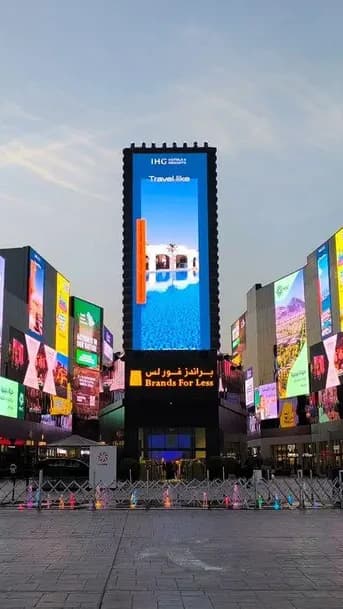
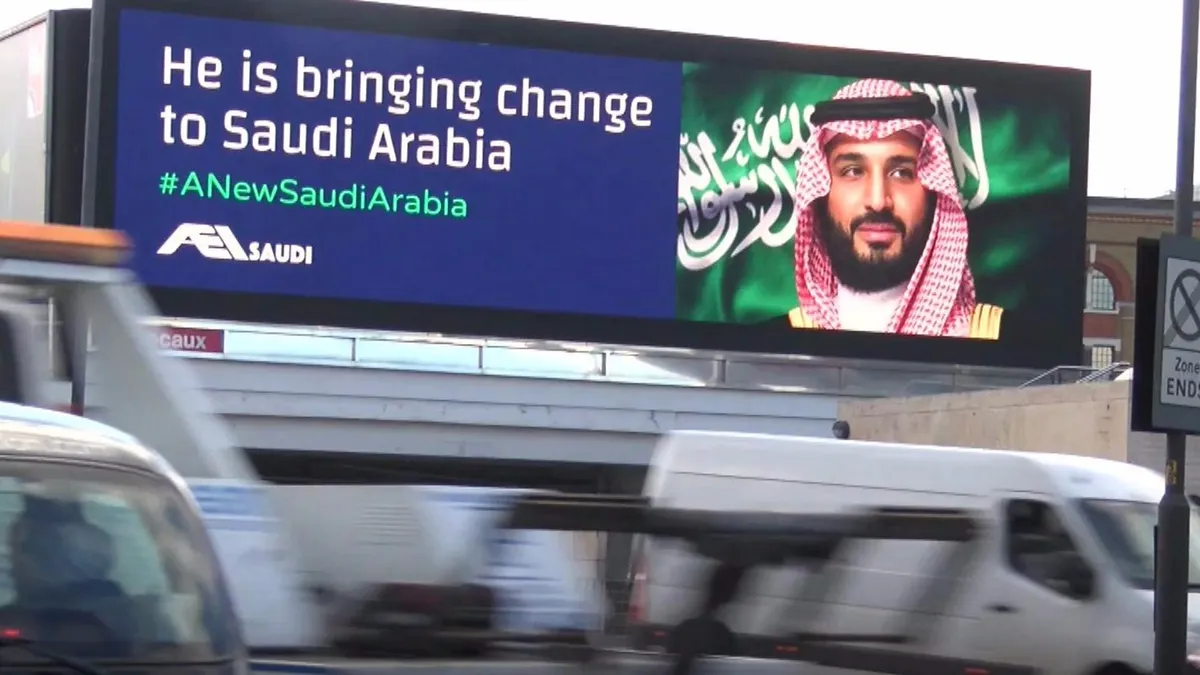
Saudi Arabia’s advertising landscape is changing alongside its cities.
New developments, entertainment destinations, tourism projects, and transport infrastructure are creating more places for brands to reach people outside their homes. Riyadh and Jeddah remain major advertising centers, while opportunities are expanding across other parts of the Kingdom.
The shift towards digital formats is particularly important. Large LED screens, digital building facades, and connected roadside networks are giving advertisers more flexibility over where and when campaigns appear.
For brands looking at Saudi Arabia, understanding these changes can help them plan campaigns around a market that continues to develop quickly.
Vision 2030 Has Helped Reshape the Market
Saudi Vision 2030 has influenced investment across tourism, entertainment, retail, infrastructure, and urban development.
These changes have created new destinations and increased movement within major cities. For the OOH industry, this means more audiences travelling between workplaces, residential communities, shopping districts, and leisure destinations.
In April 2024, Campaign Middle East reported that Saudi Arabia’s OOH advertising sector was set to exceed SAR 3 billion in market value. The article linked its growth with urban expansion, population changes, mobility, and the wider transformation taking place under Vision 2030.
The market has continued to develop since then, with substantial investment in new media infrastructure.
Digital OOH Is Becoming More Prominent
One of the clearest changes is the growth of digital out-of-home media.
Traditional static billboards remain part of the landscape, but digital screens give advertisers additional options.
Campaigns can use:
- Multiple creative versions
- Different messages by time of day
- Location-relevant content
- Campaign scheduling
Some media owners are moving particularly quickly towards digital inventory. Al Arabia said in October 2025 that its network had become 100% digital and described Saudi Arabia as one of the world's leading markets for DOOH penetration.
Landmark Digital Formats Are Changing Riyadh’s Skyline
Digital development is also happening on a much larger scale.
Rotana Signs has introduced major LED façades on Kingdom Tower and Burj Rafal in Riyadh. Together, the four façades of two buildings cover more than 48,000 square meters of LED technology, according to Arab News.
For brands, this creates opportunities to become part of prominent city locations rather than relying entirely on conventional roadside sites.
Riyadh Remains a Major Focus
Riyadh’s rapid development makes it one of the most important markets for outdoor advertising in Saudi Arabia.
The city combines a large resident population with business districts, shopping destinations, entertainment areas, and major events.
Investment in media infrastructure is continuing too.
In January 2026, Remat Al Riyadh Development Company signed contracts with Naif Alrajhi Investment to develop and operate six new static billboard sites along high-traffic routes in the capital.
This expansion reflects the wider development of Riyadh and the demand for advertising locations that can reach audiences during their everyday journeys.
Jeddah and Other Cities Offer Further Opportunities
Saudi Arabia’s OOH market extends well beyond Riyadh.
Jeddah provides access to residents, businesses, and visitors in one of the Kingdom’s largest urban centers. Its roads, commercial districts, and leisure destinations create varied advertising environments.
Programmatic Buying Could Change Campaign Planning
Programmatic digital out-of-home is likely to become a bigger part of the market.
Programmatic technology allows advertisers to buy digital inventory through automated systems. Campaigns can be scheduled according to selected criteria rather than relying entirely on fixed placements booked for long periods.
The technology is still developing across the region.
However, Saudi media owners are investing in the infrastructure needed to make it more widely available. Al Arabia launched its programmatic offering in 2025, describing it as the next stage in the development of its digital network.
More Flexible Campaigns Could Follow
As programmatic access develops, advertisers could have greater flexibility over:
- When their adverts appear
- Which locations they use
- How budgets are distributed
- Which creative appears at different times
- How campaigns connect with wider digital activity
This could make outdoor advertising easier to integrate into broader media strategies.
Better Measurement Will Be Important
Measurement remains an important part of the industry's future.
Advertisers increasingly want to understand the audiences reached by their campaigns rather than relying mainly on the number of advertising sites booked.
The Saudi market is moving in this direction.
In March 2026, Rotana Signs identified improved measurement and programmatic DOOH as important drivers for the next stage of Saudi OOH growth.
Better data could help advertisers compare locations, understand audience movement, and make more informed decisions about their budgets.
Major Events Will Create Advertising Demand
Saudi Arabia has a busy pipeline of entertainment, tourism, and sporting activity.
These events create opportunities for brands because they change how people move through cities and where large audiences gather.
Campaigns can be planned around entertainment districts, airports, shopping areas, transport routes, and other locations connected with major events.
The challenge will be choosing sites because they are relevant to the audience rather than simply because they are large or prominent.
What Could Shape the Market Next
Several trends are likely to influence the next stage of Saudi Arabia’s OOH industry.
More Digital Inventory
Continued investment in screens and landmark formats will give advertisers more ways to use dynamic creative.
Greater Use of Data
Audience information can help brands choose locations based on movement and behavior rather than relying solely on traffic volume.
Growth of Programmatic DOOH
Automated buying could make digital outdoor campaigns easier to plan alongside other digital channels.
Stronger Focus on Measurement
Advertisers will expect clearer evidence of reach, frequency, and campaign performance.