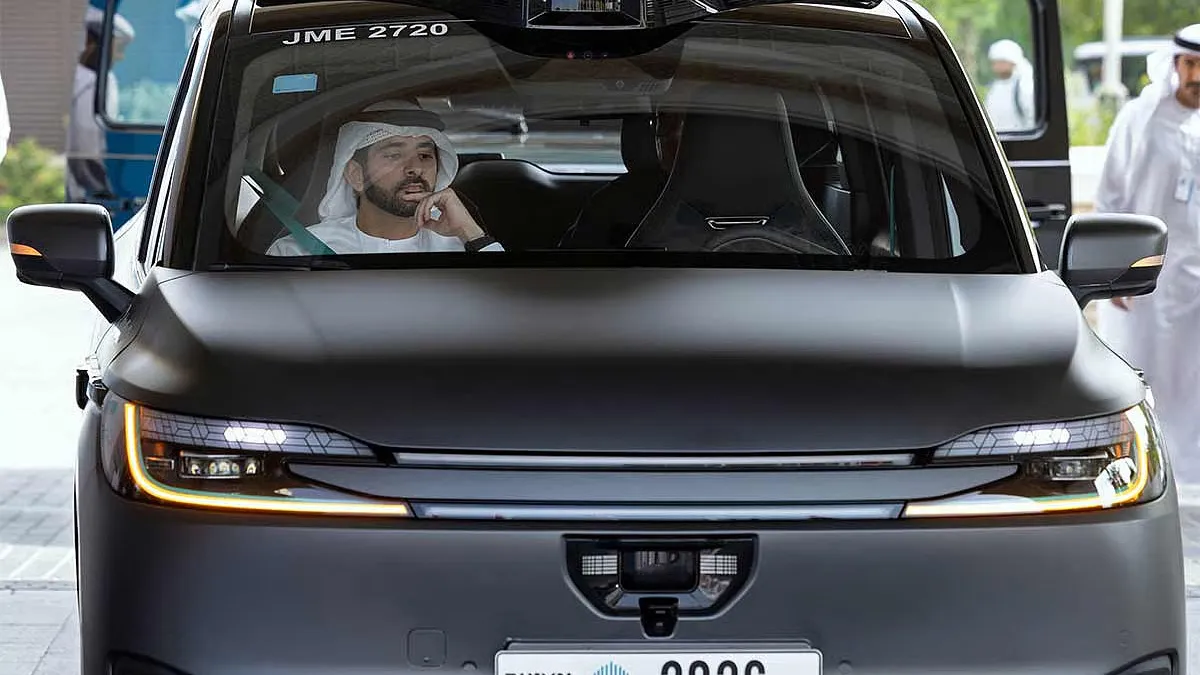
Driverless cars are moving closer to everyday life. Across the UAE, autonomous transport is already being tested and introduced in selected areas.
For advertisers, the key question is simple: what happens when the person inside a car no longer needs to drive?
Passengers could become the main audience
Traditional outdoor advertising has always had to account for drivers. A driver needs to focus on traffic, road signs and other vehicles. Their attention to a billboard may last only a few seconds.
A driverless journey could create a different environment.
Passengers may have more freedom to:
- Look at their surroundings
- Use their mobile phones
- Watch short videos
- Read information
- Work during their journey
- Interact with digital content
This could give brands more opportunities to communicate with people while they are travelling.
The change will happen gradually. Conventional vehicles will remain common for years. However, the growth of autonomous transport gives media owners and advertisers a reason to rethink how roadside campaigns are designed.
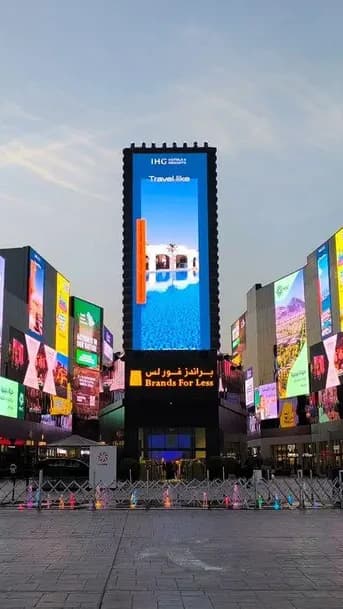
Digital screens could play a bigger role
Digital screens already allow advertisers to change messages throughout the day. In a future with more autonomous vehicles, this flexibility could become increasingly valuable.
A campaign could be adapted according to the time, location or surrounding environment.
For example, a hotel could promote a weekend offer near a busy leisure district. A restaurant could display a dinner promotion during the evening. A retail brand could highlight a nearby store when people are travelling through a shopping area.
From passing message to useful information
Driverless mobility could also change the type of message brands place in front of passengers.
A simple advertisement may still work. However, brands could increasingly create content that offers something useful.
A screen could show:
- Directions to a nearby destination
- Information about an event
- A limited-time offer
- A local attraction
- A restaurant promotion
- A quick brand message
This could make roadside media feel more connected to the journey.
For UAE audiences, this is particularly relevant in major urban areas where people regularly travel between residential districts, business centres, shopping destinations and entertainment venues.
Dubai is preparing for autonomous mobility
The UAE has already set ambitious targets for driverless transport.
Dubai's Self-Driving Transport Strategy aims to make 25% of all mobility journeys autonomous by 2030. The Roads and Transport Authority has also been working with technology companies to introduce autonomous taxis and other services.
In March 2026, Dubai began commercial autonomous taxi operations in areas including Umm Suqeim and Jumeirah. The initial service involved 100 autonomous taxis, with plans for expansion.
What this means for advertisers
The arrival of driverless vehicles does not mean traditional roadside campaigns will suddenly disappear. Roads will remain busy, and large-format media will continue to reach people travelling through urban areas.
The opportunity lies in adapting campaigns as audience behaviour changes.
Brands can start preparing by focusing on five areas:
1. Create messages for passengers
Create advertising messages specifically for passengers, who have more time to notice and engage with their surroundings during a journey.
2. Make better use of digital formats
Digital screens can support multiple messages and allow campaigns to respond to changing circumstances.
3. Connect advertising with nearby places
A message can become more useful when it relates to something people can visit, buy or experience nearby.
4. Keep creative simple
Short & clear messages remain important. People should understand the main idea quickly, even when the environment around them is busy.
5. Consider privacy carefully
More connected transport may create new possibilities for personalised advertising. If a company collects or uses information about people or their locations, it must comply with UAE laws and privacy rules.
What the future could look like
Driverless vehicles are still developing. Regulations, infrastructure, technology and public confidence will all influence how quickly they become widespread.
Advertisers therefore do not need to completely rethink their strategies today. They do need to watch the changes taking place across the UAE.
Dubai and Abu Dhabi are already building the foundations for a more autonomous transport system. As that system grows, the way people experience roads and cities will change with it.
For brands, this could create a new advertising environment where the journey becomes more than a route between two destinations.